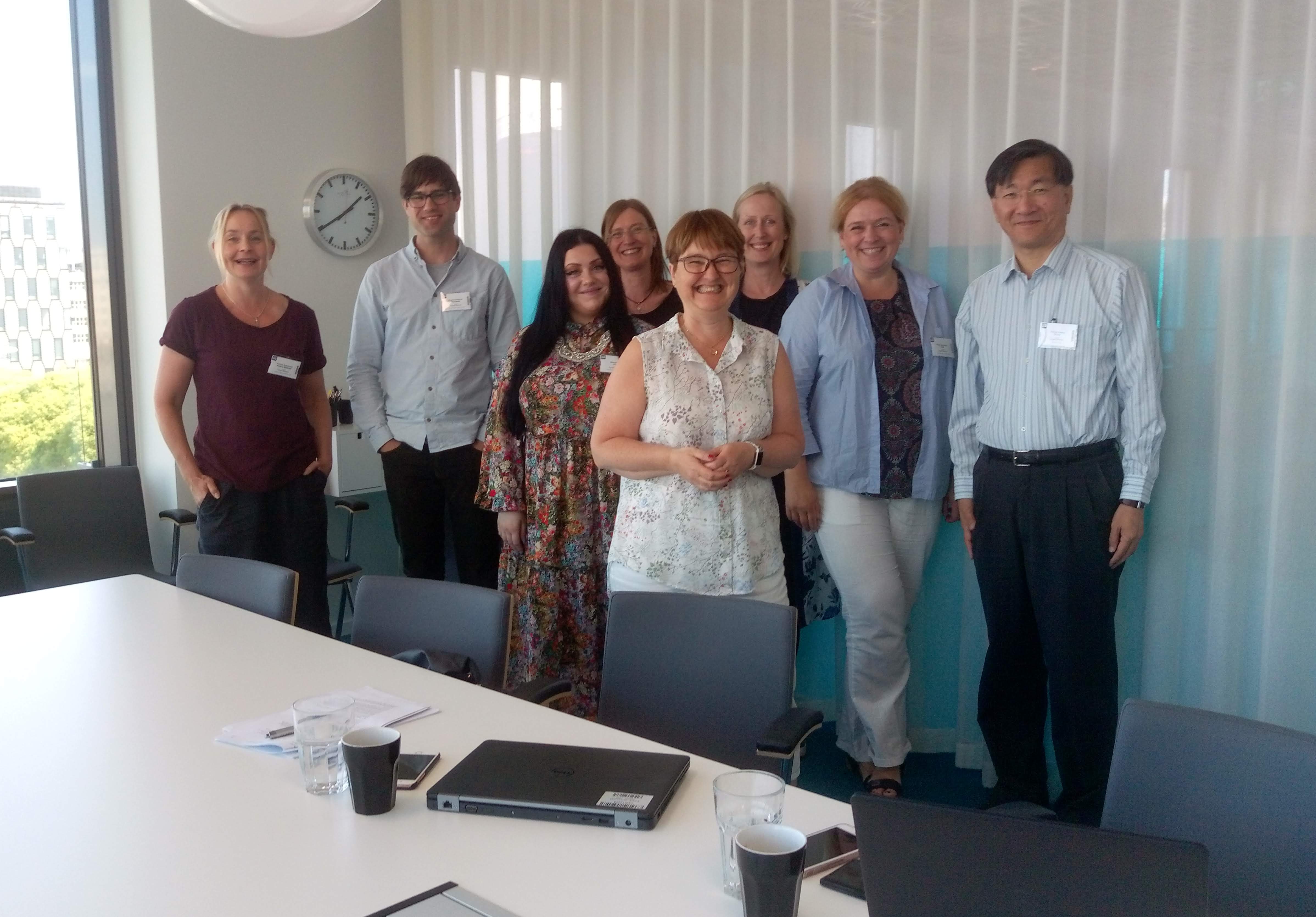
Associate Director of the Taiwan E-Governance Research Center (TEG), Professor Tong-Yi Huang, visited Sweden in mid-May 2018 to engage in a fruitful exchange with Ms. Pamela Davidsson, Director of the Statistics and Information Department at the Internet Foundation in Sweden (IIS) and Sweden’s representative to the World Internet Project (WIP).
The Internet Foundation in Sweden is an independent public service organization dedicated to advancing digital education and knowledge, promoting the positive development of the Internet, and fostering innovation in Internet use. It is also responsible for managing Sweden’s top-level domains, .se and .nu, and is regarded as a pioneer in the country's efforts toward digitalization.
During the exchange, Professor Huang introduced the TEG and the development of Taiwan's digital landscape, and discussed challenges encountered in public opinion data collection via landlines and mobile communications. In response, Ms. Davidsson highlighted a distinctive feature of Sweden’s open government initiative—the near-complete government open data system. Thanks to the high level of public trust in government, Sweden has been able to establish a comprehensive national database that records detailed information about each citizen (including asset ownership and even the number of mobile devices), providing a rich and precise sampling frame for public opinion surveys.
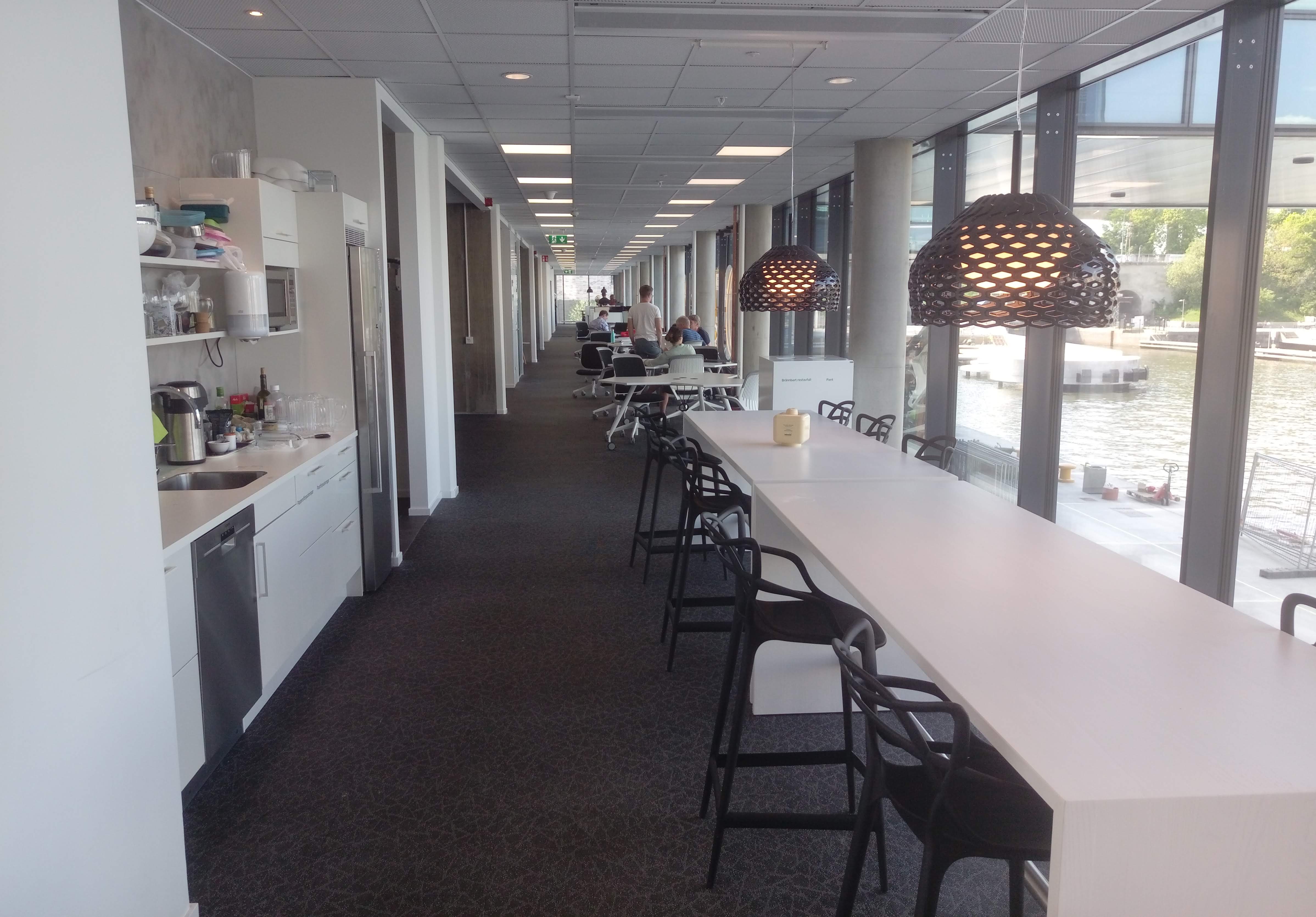
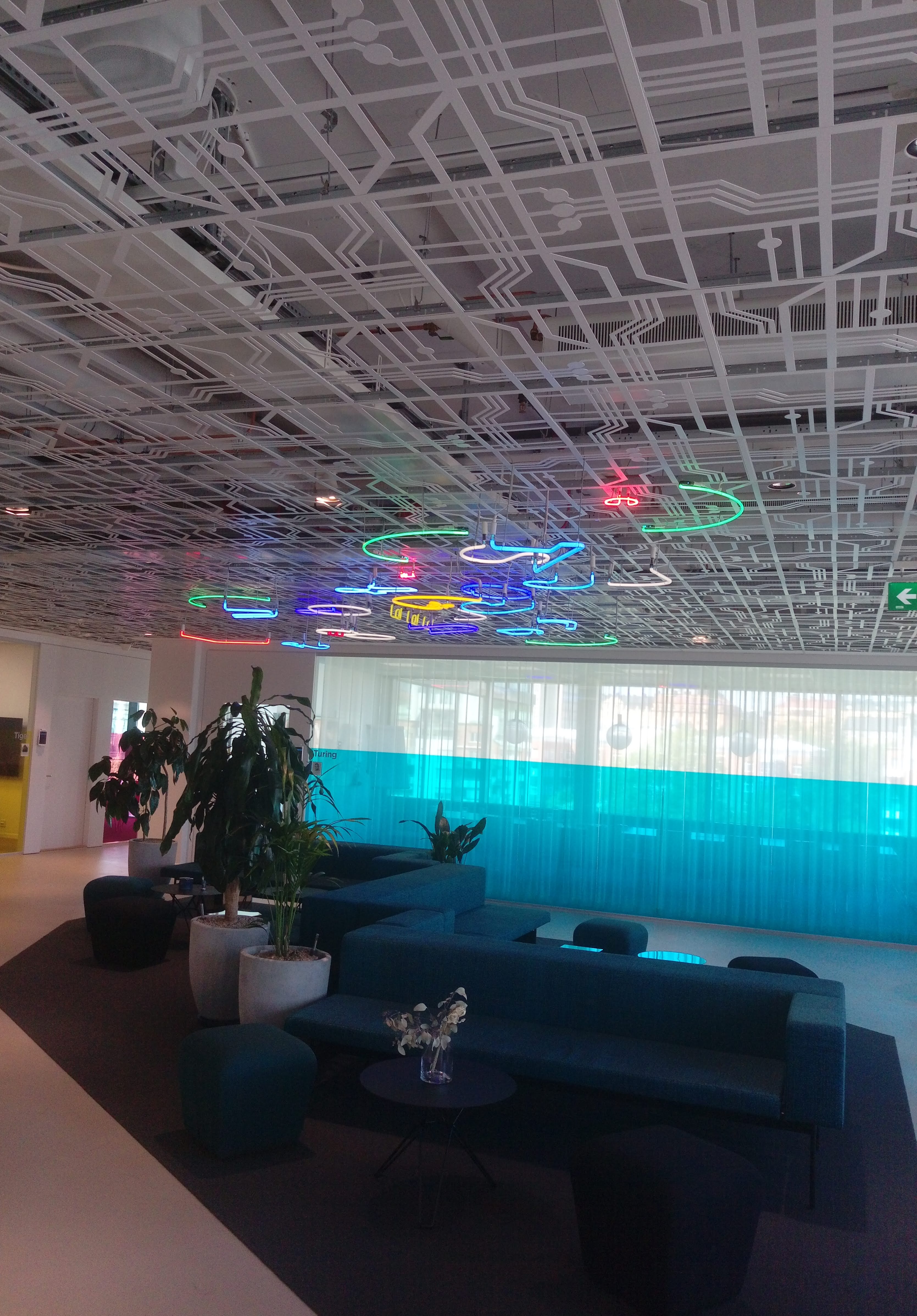
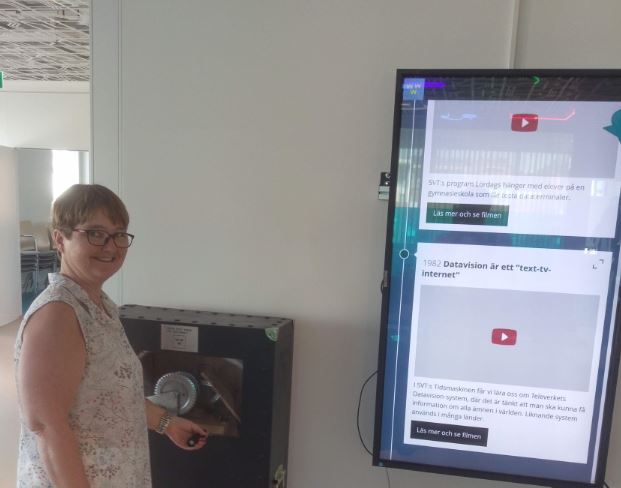
In addition to exchanging experiences on advancing digitalization in their respective countries, Professor Huang also visited IIS’s Innovation Incubator Center and the Internet Museum. The former is designed as an incubator for innovative enterprises, offering a comfortable, open, digitally styled environment for entrepreneurs to brainstorm and collaborate. The latter chronicles the history of Internet development in Sweden and preserves a wide array of artifacts from the digital era, such as visual records, early hardware equipment, and even a backup of Sweden’s first website.
Moreover, during the visit, Professor Huang experienced several fascinating digital applications, such as a real-time name tag generation system and a digital timeline of Internet development that integrates traditional mechanical rotation with digital technology. These experiences provided valuable insights and fresh inspiration for advancing Taiwan’s Internet and digital transformation efforts.